
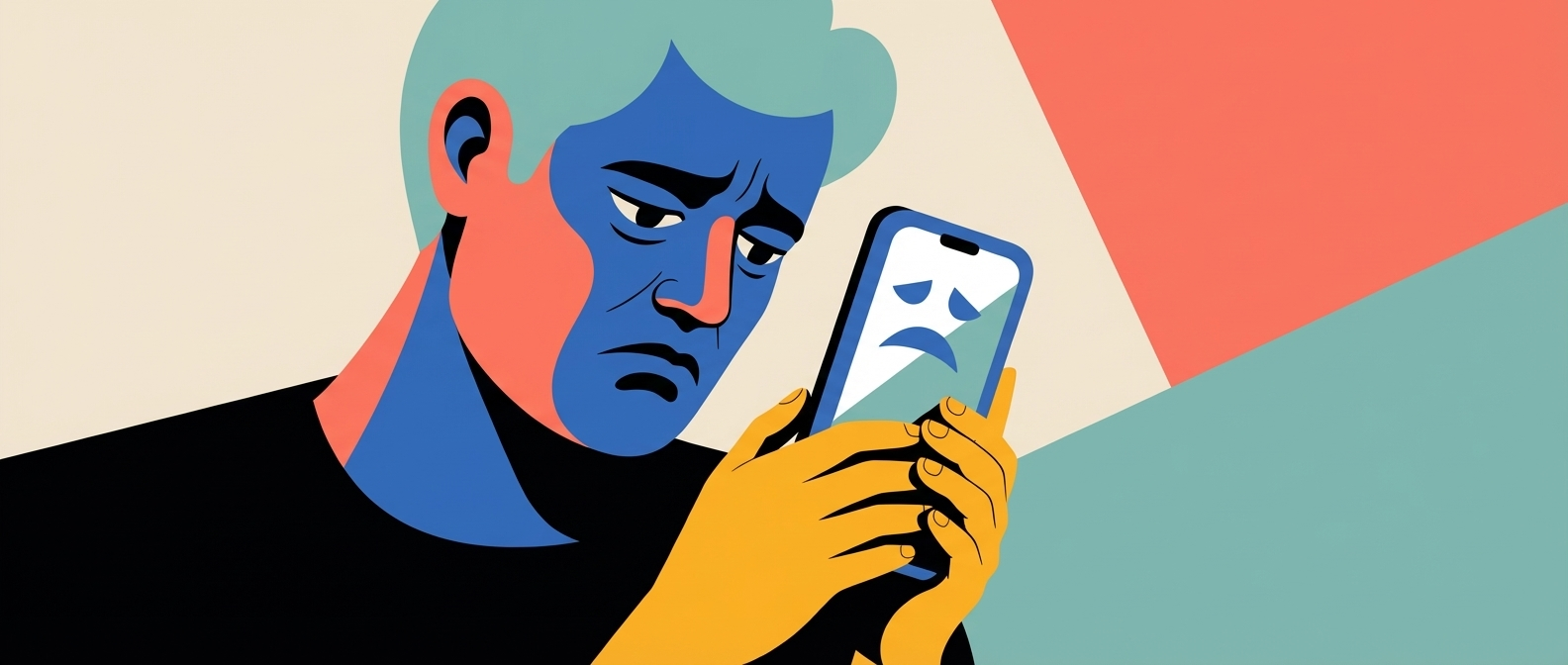

Have you ever caught yourself staring at your phone and swiping through Instagram Reels, TikTok, YouTube Shorts, or any of the other short form content options out there for an embarrassing amount of time? The answer is most likely an astounding yes if you’re someone that owns a phone and has literally any social media app downloaded.
In this article we’ll take a look at what makes those short videos so addictive and what they’re doing to us.
What makes Reels so addictive?
Your brain loves emotional stimulation. You have undoubtedly saw a reel that made you laugh, made you happy or sad, or even scared. Regardless of which emotion you felt, your brain wants that emotional stimulation. Over time, It becomes accustomed to the routine and strengthens the neural association that scrolling = mental stimulation and releases dopamine whenever you do. The problem is, not every video scratches the itch. However, your brain knows the right video that’s going to make you feel something and provide that emotional jackpot could be just a scroll away… Sounds kind of like a slot machine, doesn’t it?
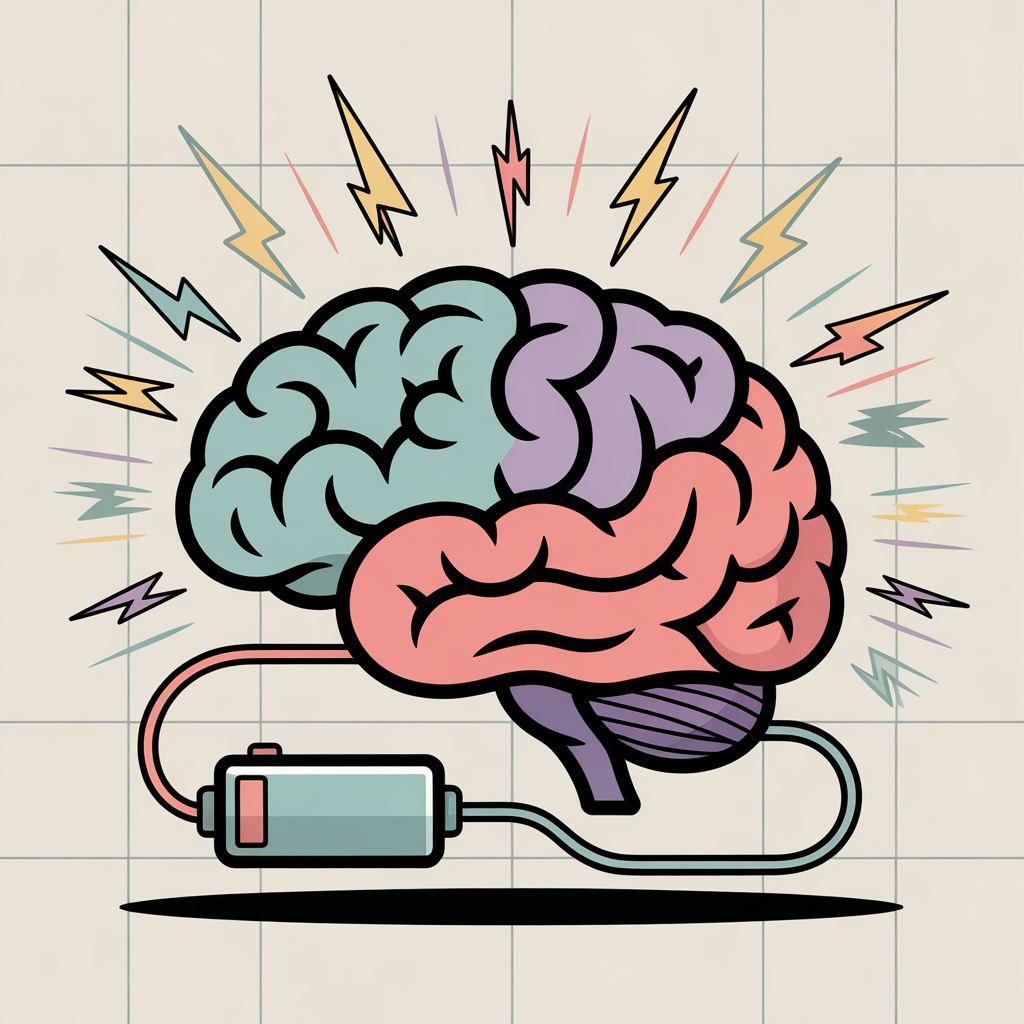
That’s because it is. That’s right. Your brain exhibits the same chemical response to scrolling as it does to gambling. As we all know, the thing with addictive activities and substances is that the user develops a tolerance, so the more time you spend scrolling in search of that dopamine hit… the more likely you are to… spend even more time scrolling in search of that dopamine hit...
Why would social media companies do that to us?
To make boatloads of money of course! Social media companies employ some of the most intelligent psychologists, neuroscientists, and behavioral scientists in the world to develop algorithms and features to keep you on their apps. The longer you spend scrolling, the more advertisements can be put in front of you. Additionally, the more time you spend scrolling, the more information about how you respond to each video and ad can be collected by the companies and refined to strengthen the algorithms and make the advertising more effective.
In case you didn’t know, infinite scrolling was not always a thing. Not so long ago, you would scroll through your feed for the day and that would be it. No new content. No reason to stay on the app. Well, eventually the social media companies caught on and realized they could keep feeding people content (which creates more opportunities to inject advertisements) and they’d keep scrolling through it even if it’s mostly irrelevant, but that created a demand for more content.
So, these days, the evolution of most social media companies looks something like this:
- Social media company wants to make money so they need users and content to show them in order to sell advertising space to other companies.
- In order to grow their userbase and increase the value of the advertising space, they need stimulating content.
- In order to get content, they incentivize Joe Influencer to make it by placing his content in front of an audience that will shower him with likes and follows, and even offering a “creator program” that will pay him money.
- In order to keep people interested and to compete with the other social media companies, they need to increase the level of stimulation, and the volume of content that is shown to the user.
- The cycle then repeats itself.

Damaging effects of doomscrolling
Aside from the negative effects of sitting sedentarily scrolling for extended periods of time like headaches, muscle tension, neck and shoulder pain, low appetite, difficulty sleeping, and even elevated blood pressure reported by Harvard experts, the mental health implications are the real concern and include the following:
- Reduced attention span – Considering how quickly our brains adapt to our routines, this is no surprise when you’ve been training your brain to cycle through content every 10 seconds via short videos for hours on end.
- Impaired working memory – Your prefrontal cortex (PFC) is the part of your brain that is responsible for critical thinking, planning and decision making. Short videos are very emotionally stimulating and don’t require critical thought so our brain prioritizes the Limbic system parts of the brain which effect our emotional response instead of the PFC.
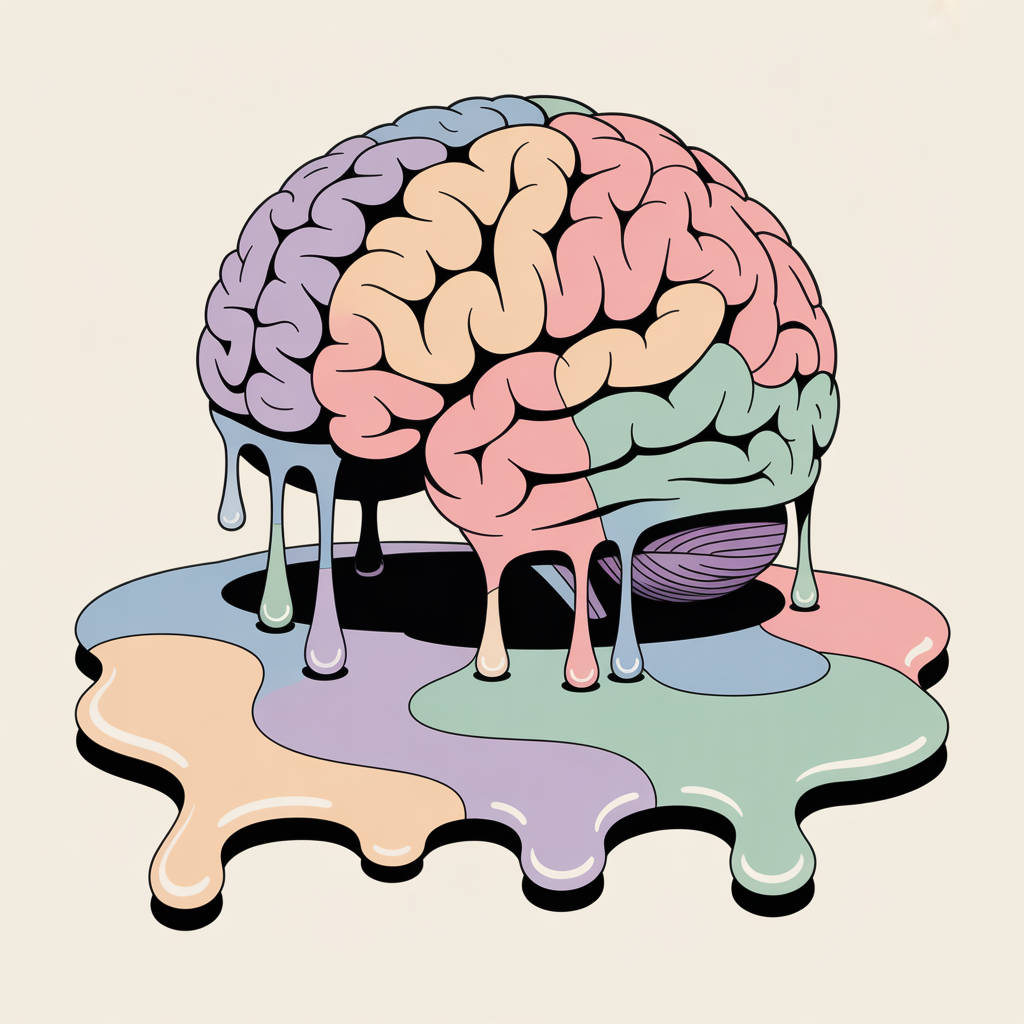
- Mental Fatigue & “Brain Rot” – We all know the feeling after a long scrolling session… Rapidly stimulating your brain with different emotions video after video exhausts your mental resources and can make you feel foggy and tired.
- Reduced Cognitive Engagement – Short form video trains your brain to expect instant gratification, which over time can desensitize it to more meaningful cognitive tasks like reading, problem solving, and deep learning.
Isn’t that kind of messed up?
Yea! Probably. There is definitely an ethical debate to be had here, but the good news is that you are still in control of your actions. If this article has opened your eyes and you’ve decided you want to stop consuming short form content for good, then great! You can! If not, you don’t have to!
However, hopefully this article has shown you that your time and brainpower is probably better spent doing just about anything else. Time is the most valuable currency there is. It’s finite and there’s no way to add more to our lives. When it’s your time to go, it’s your time to go. How we choose to spend the limited amount of time we have in our lives is up to every person individually.
Thanks for reading! Click here for more topics in the finance category.